
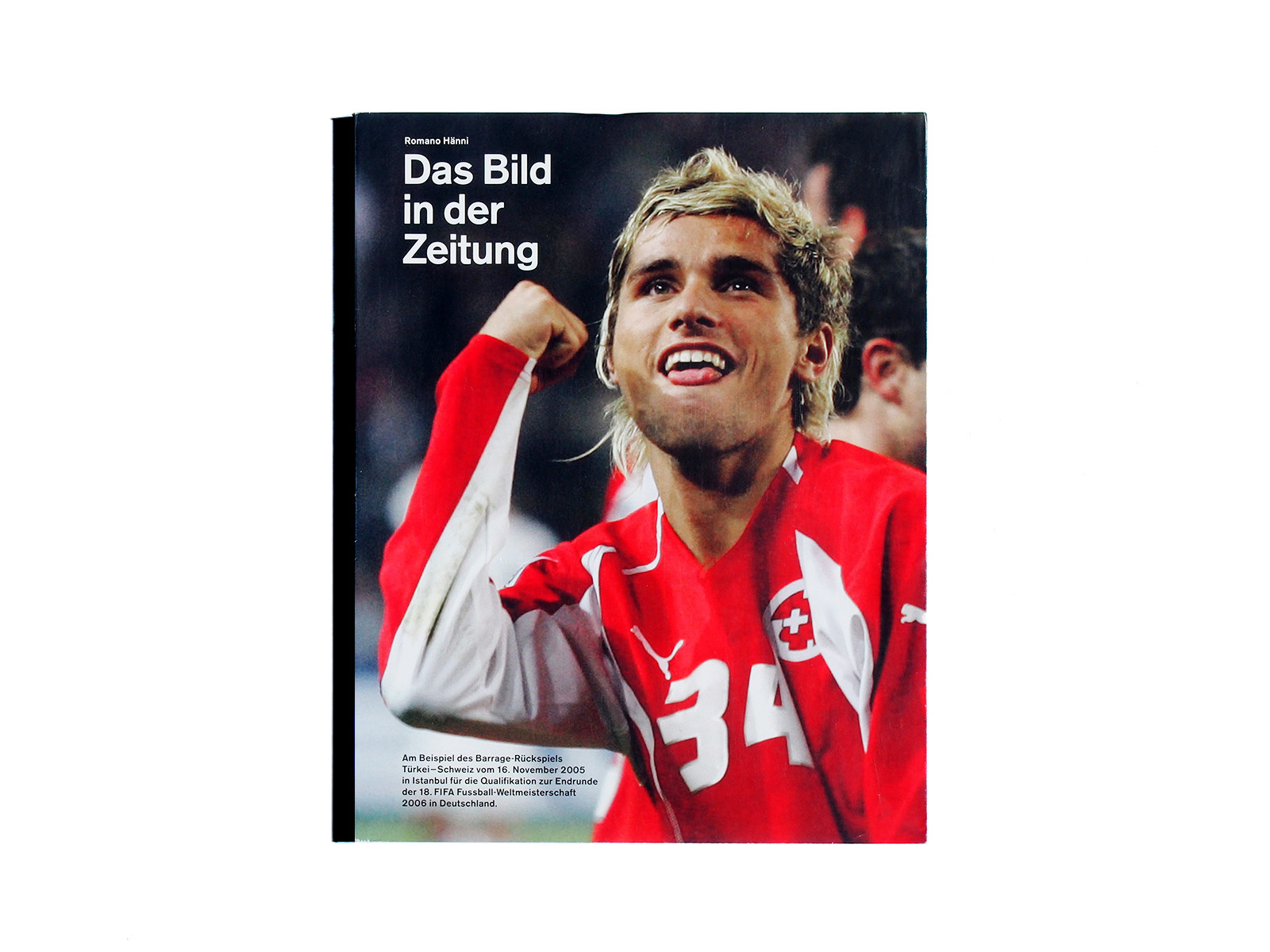
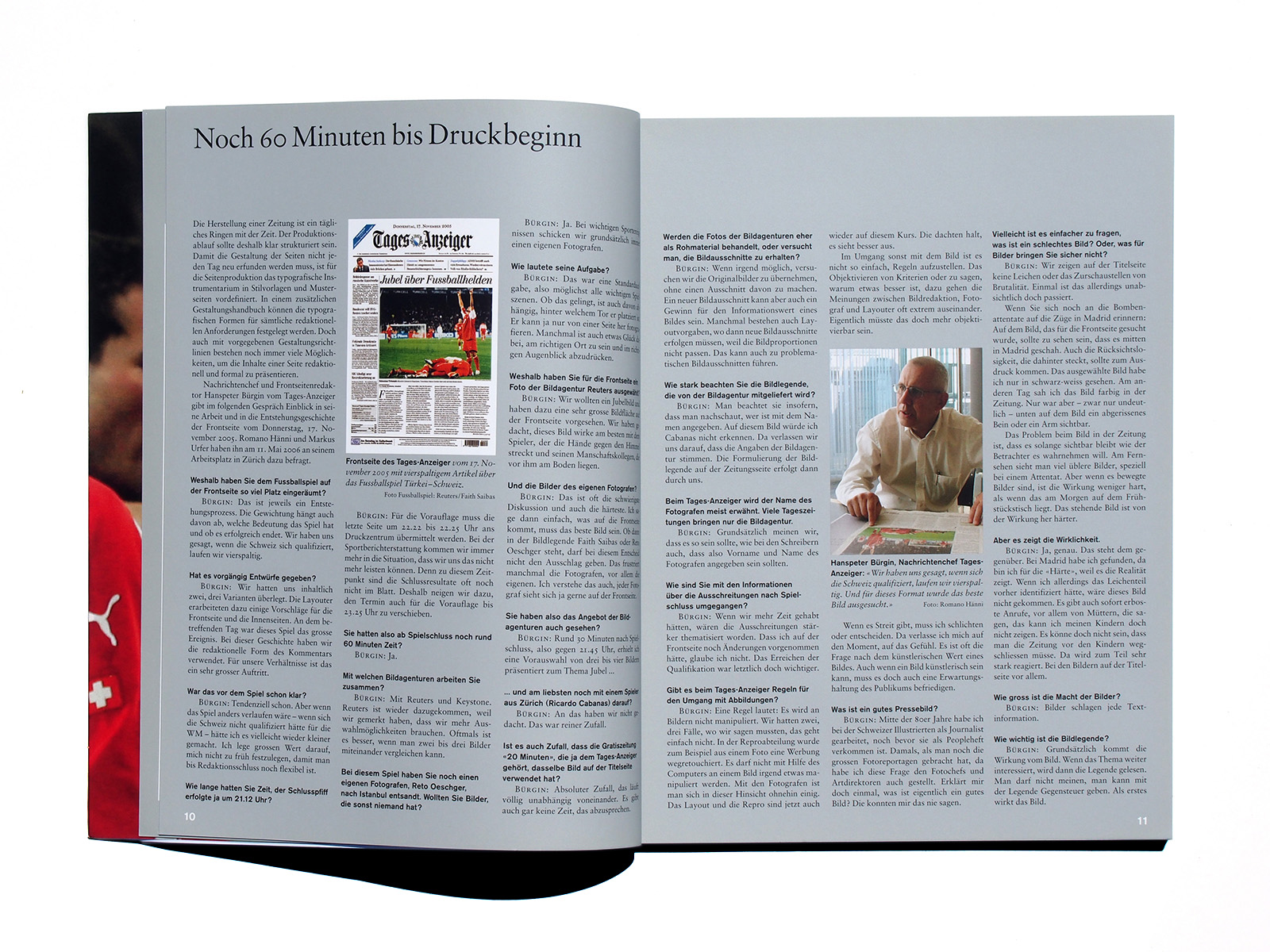
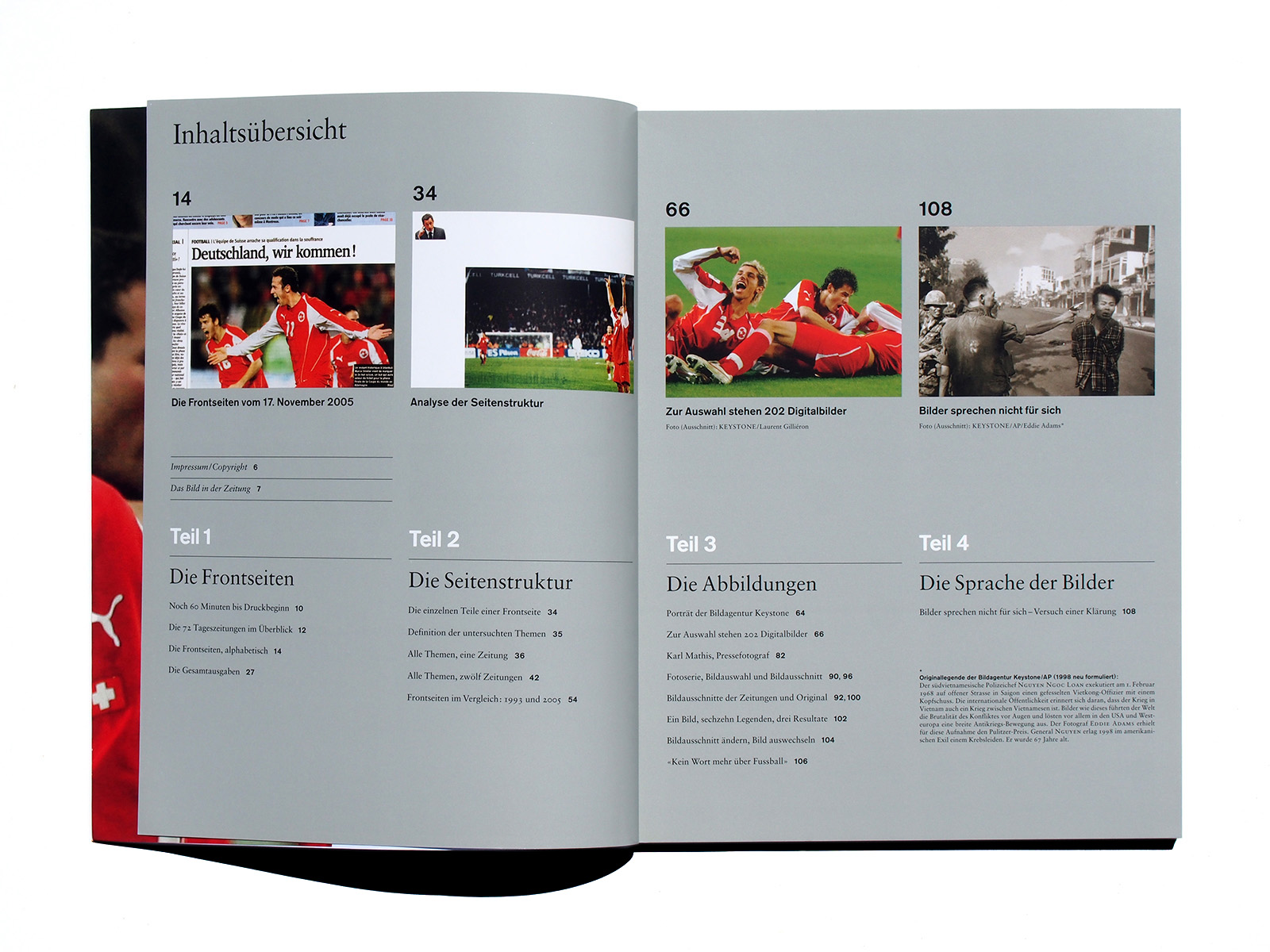
Paperback: 114 pages
Published: Romano Hänni
Language: German
Product Dimensions: 30 x 23 cm
Release Date: 2005
Price: sold
author and design
Romano Hänni
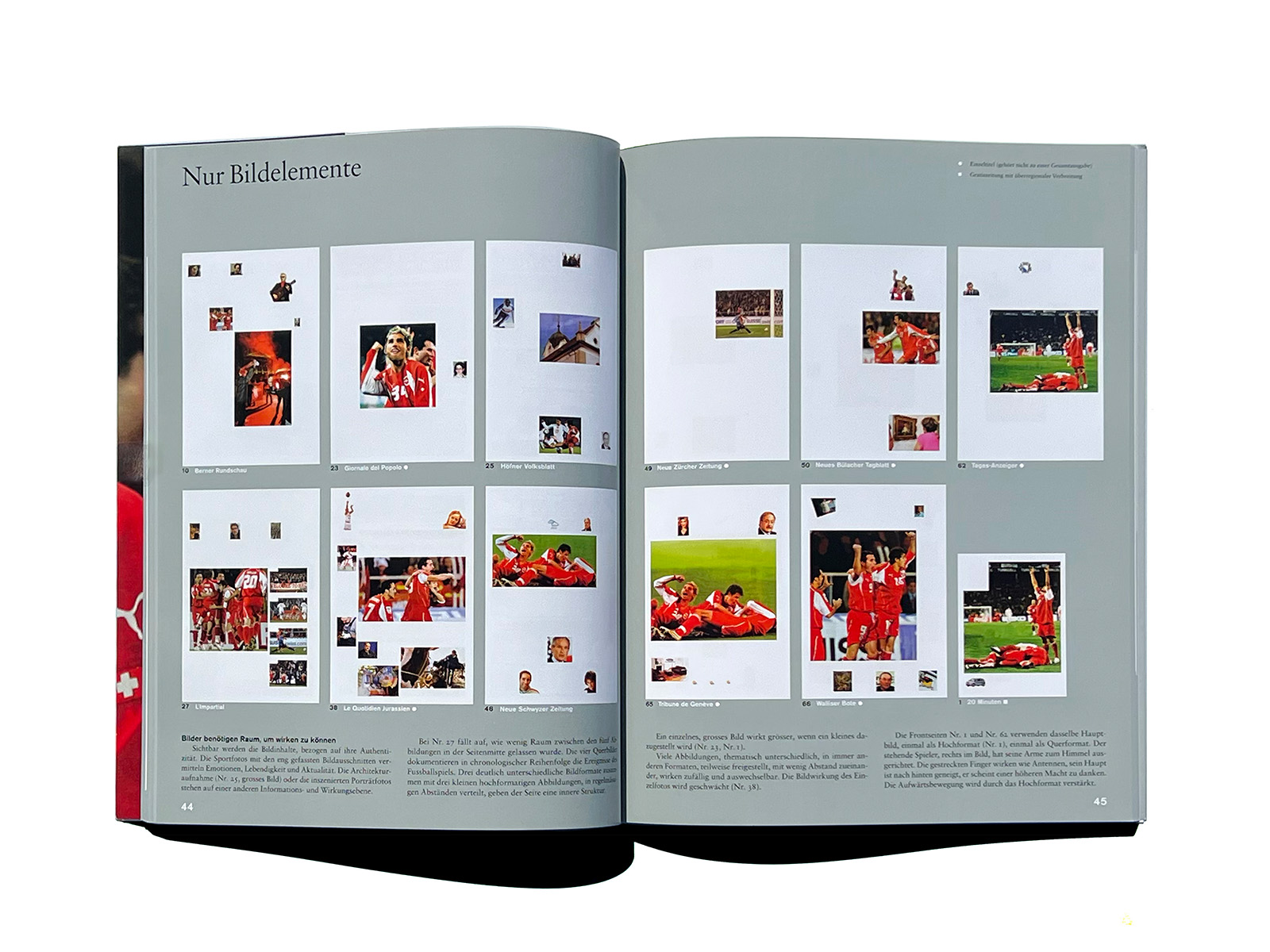
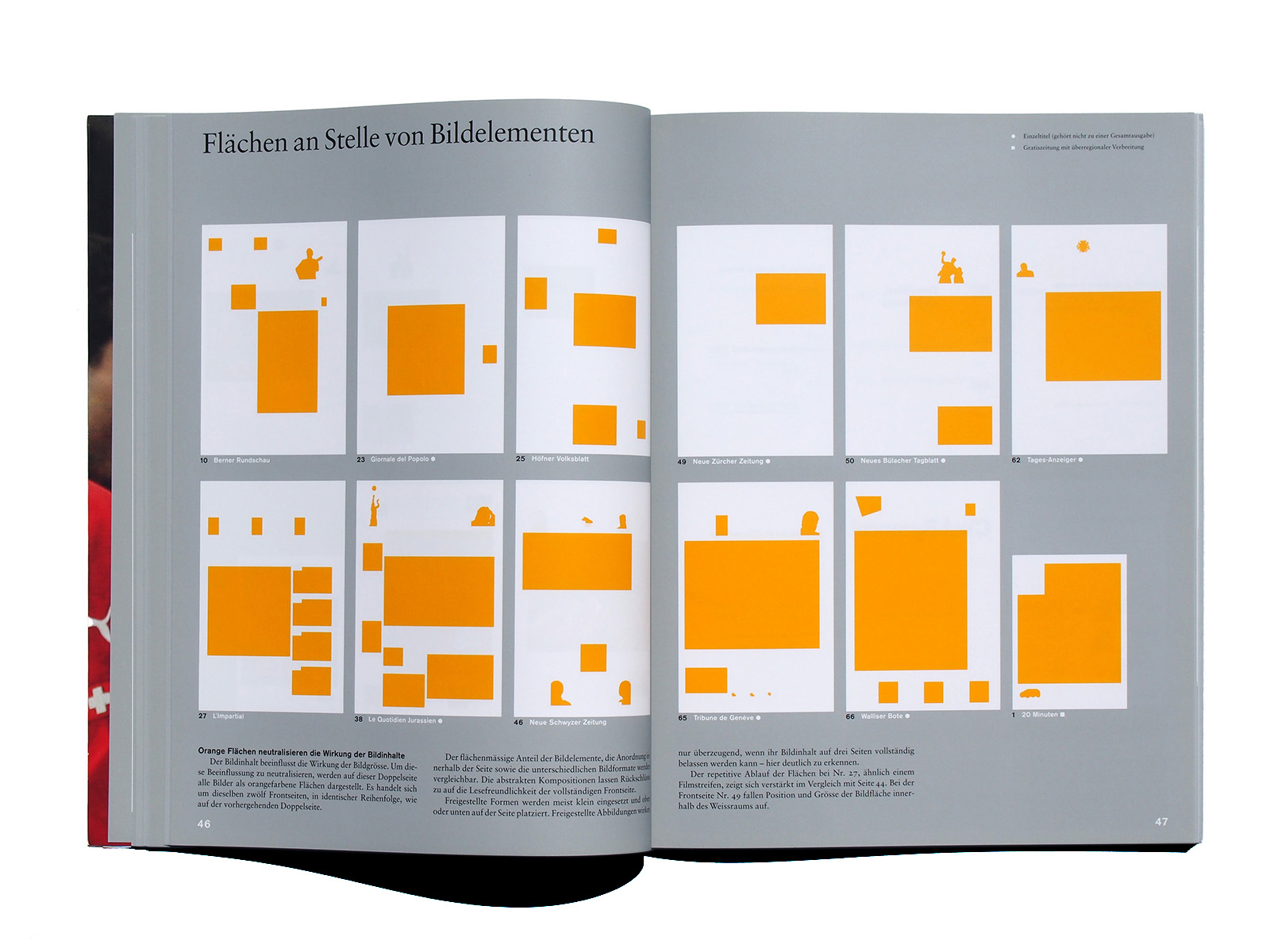
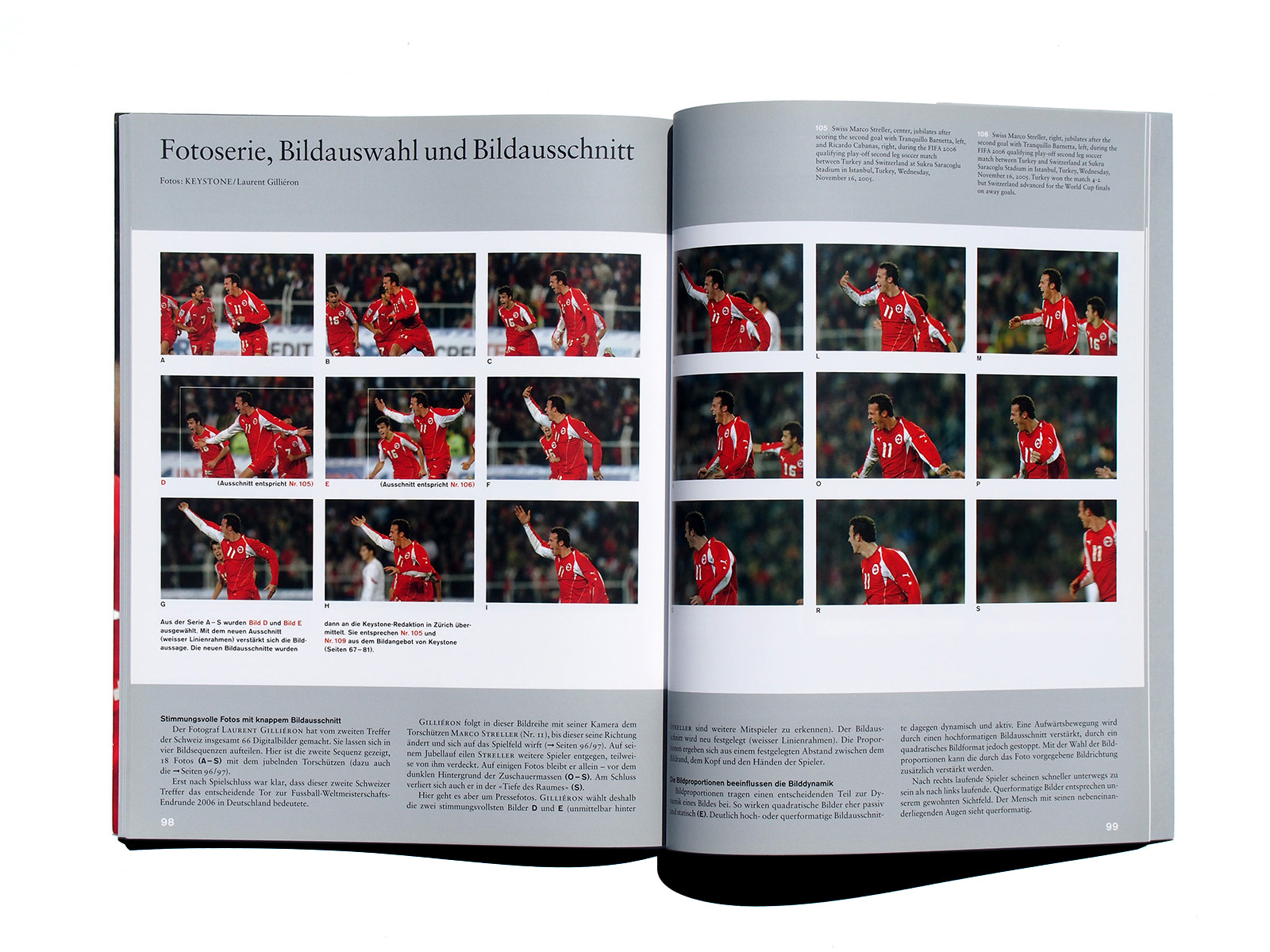
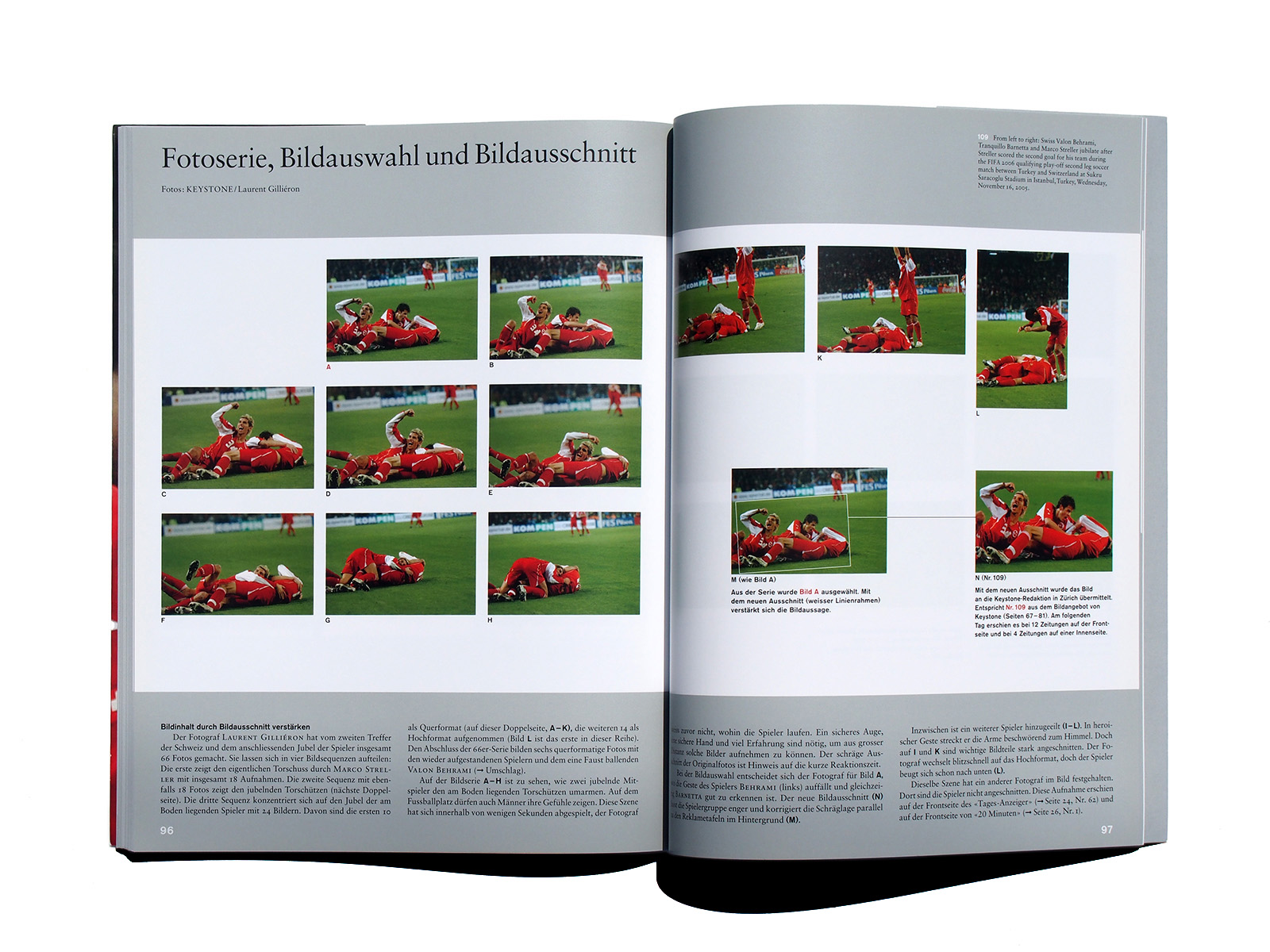
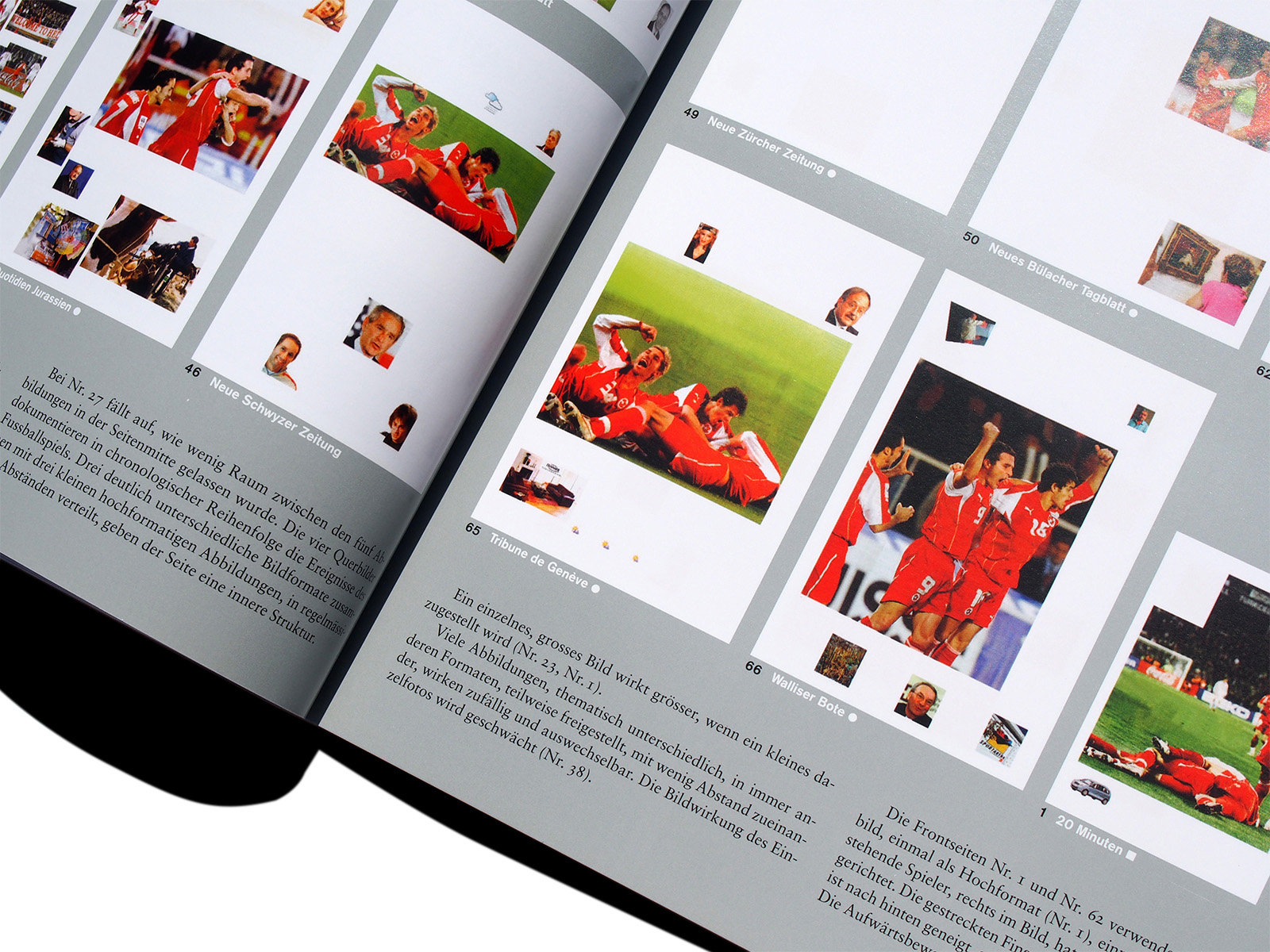
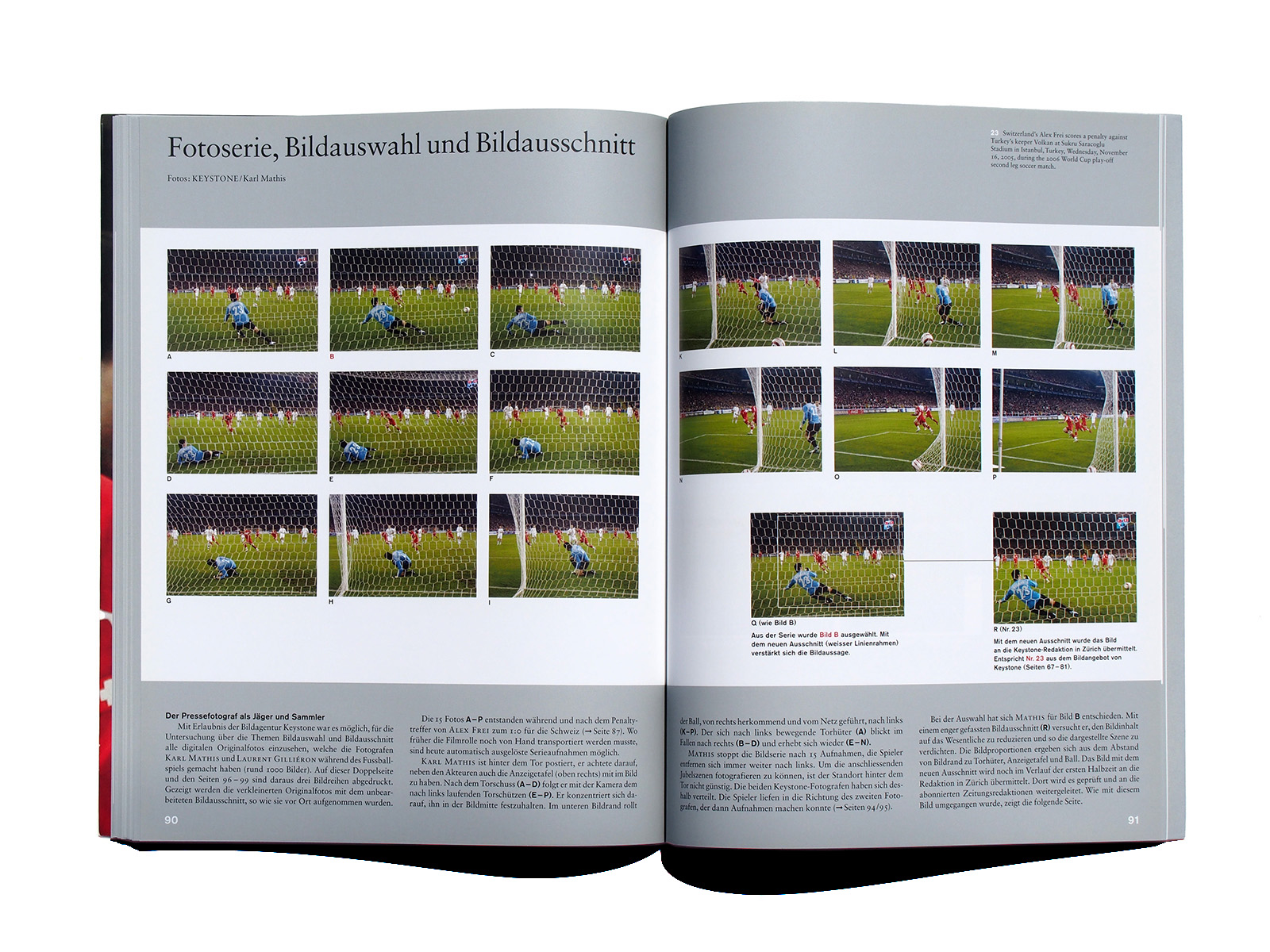
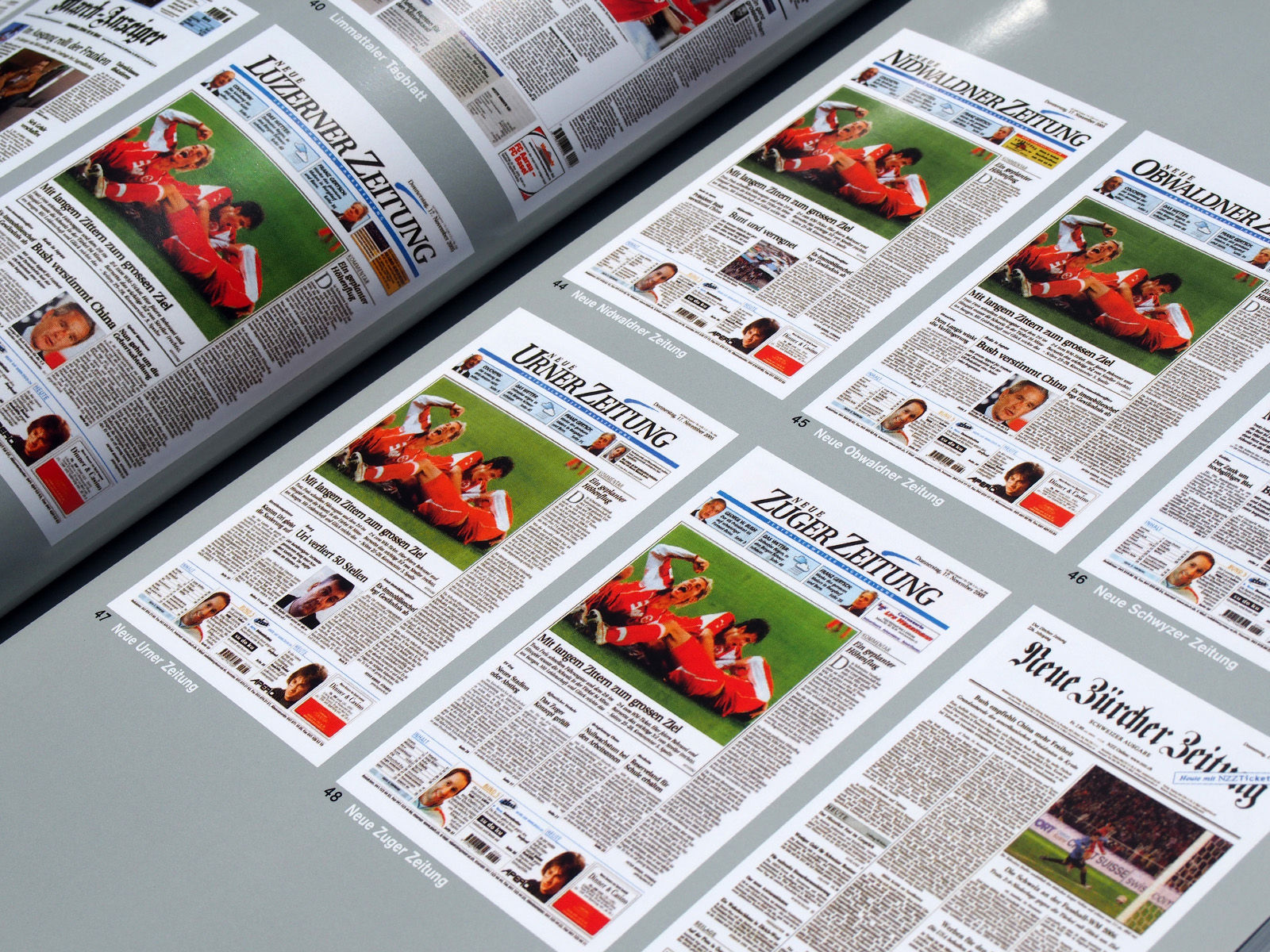
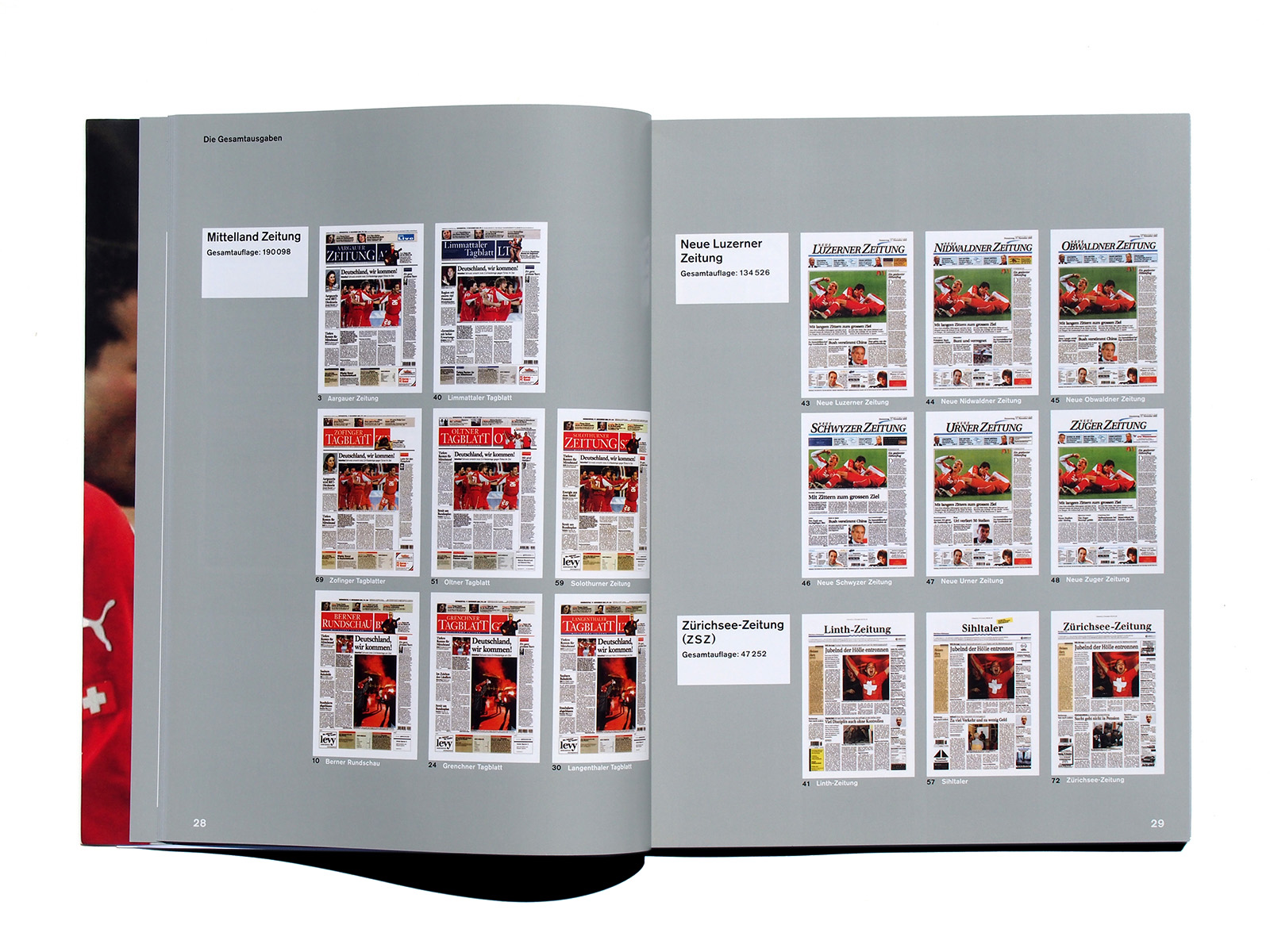
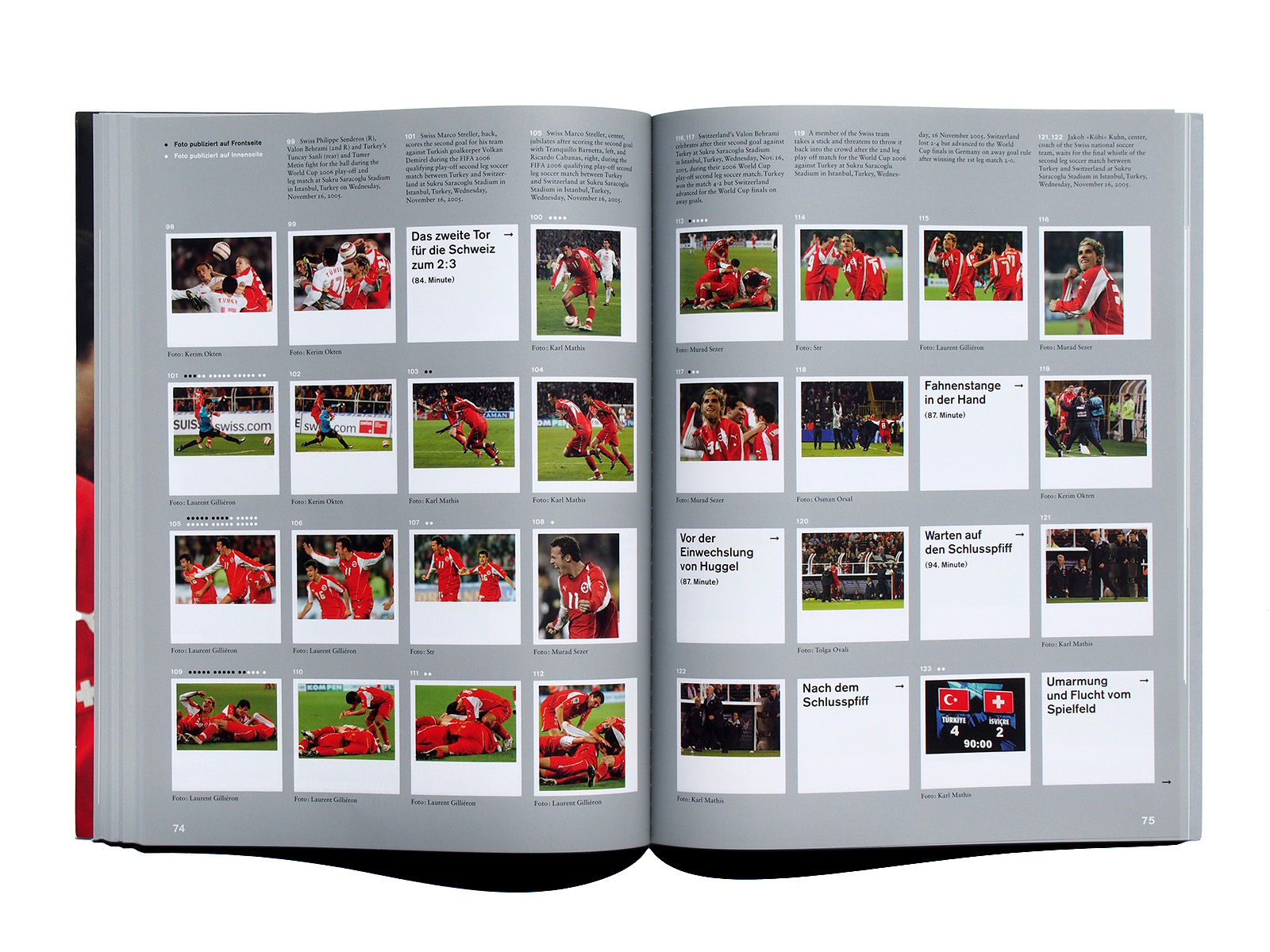
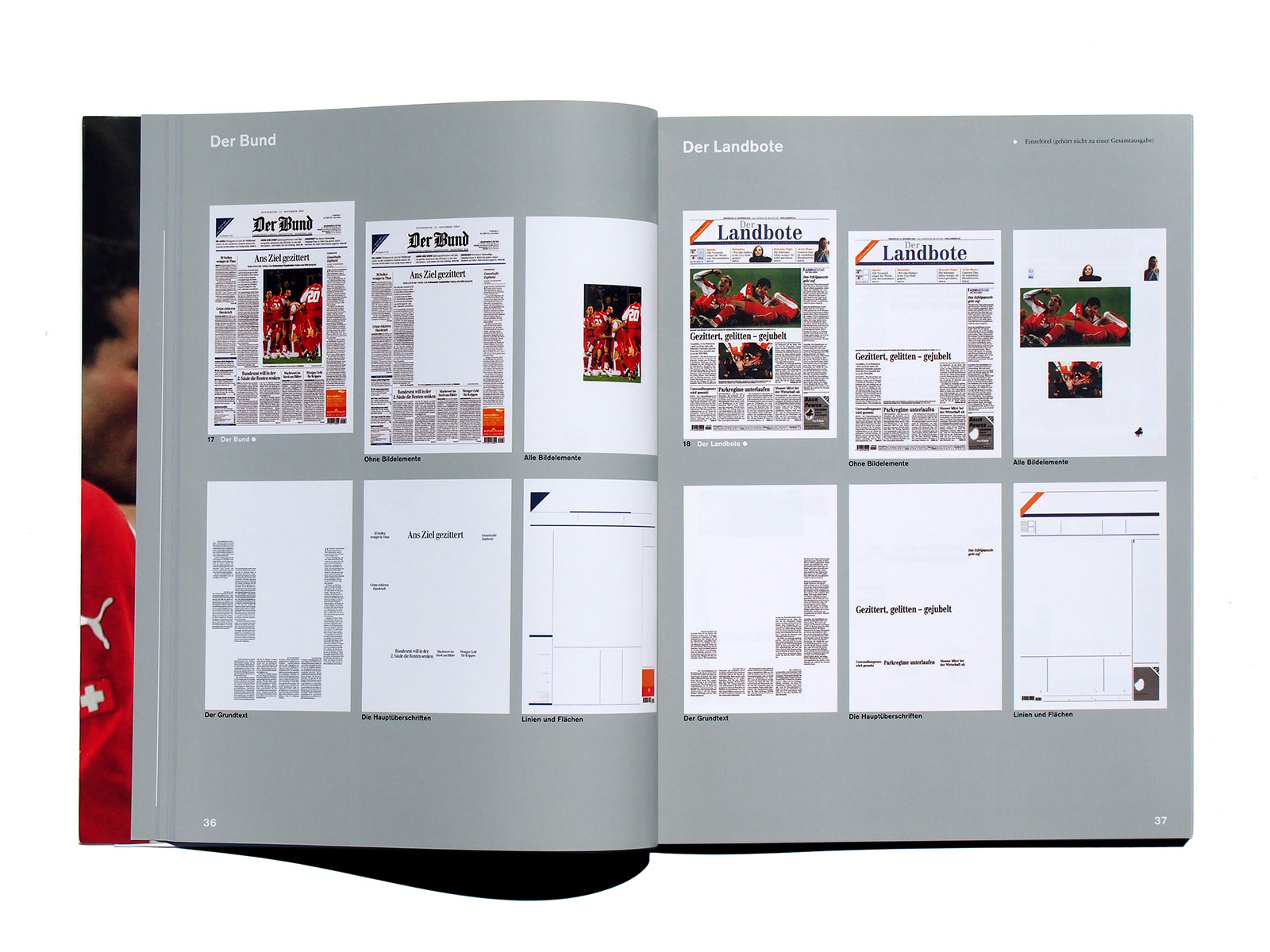
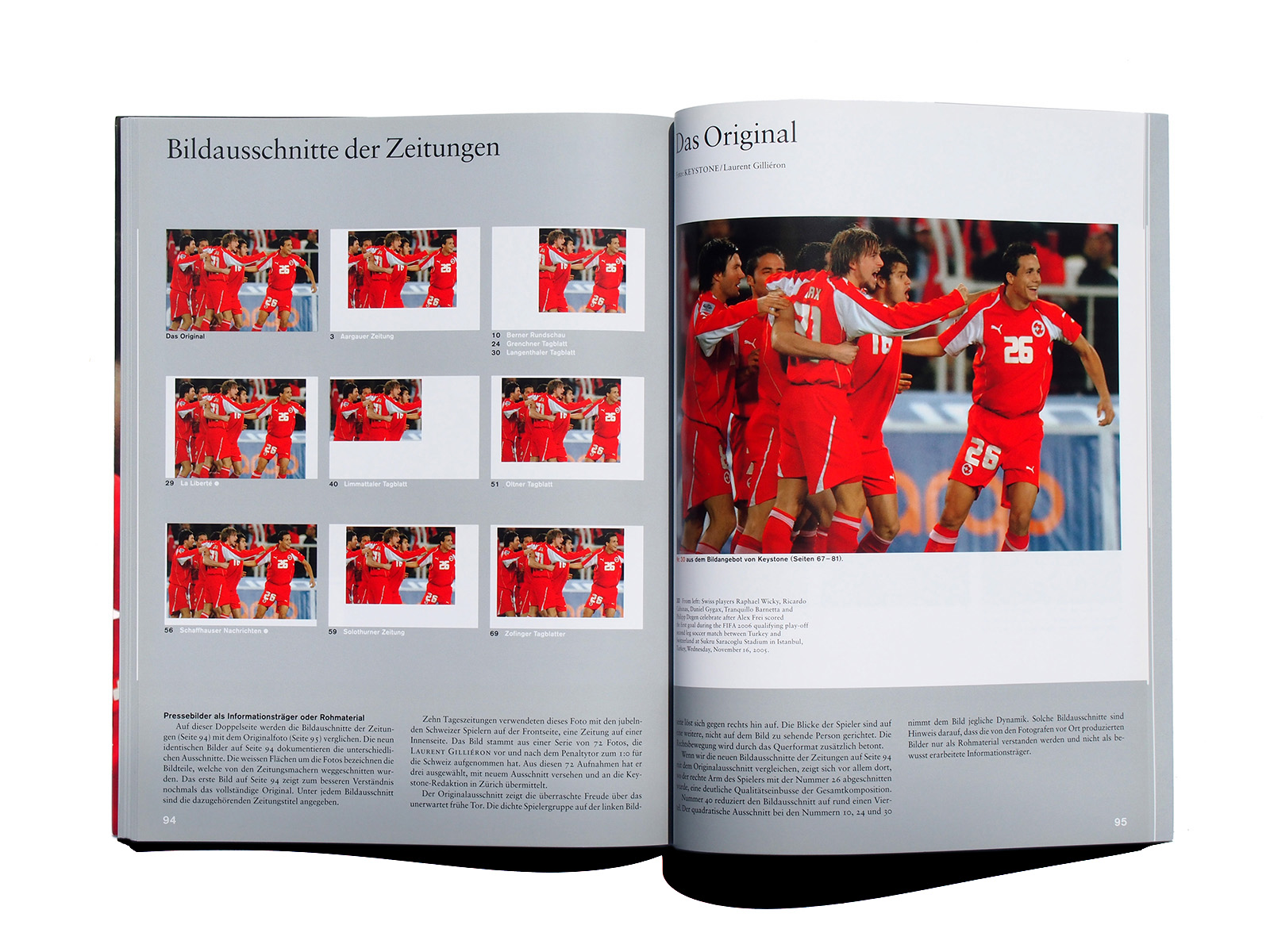
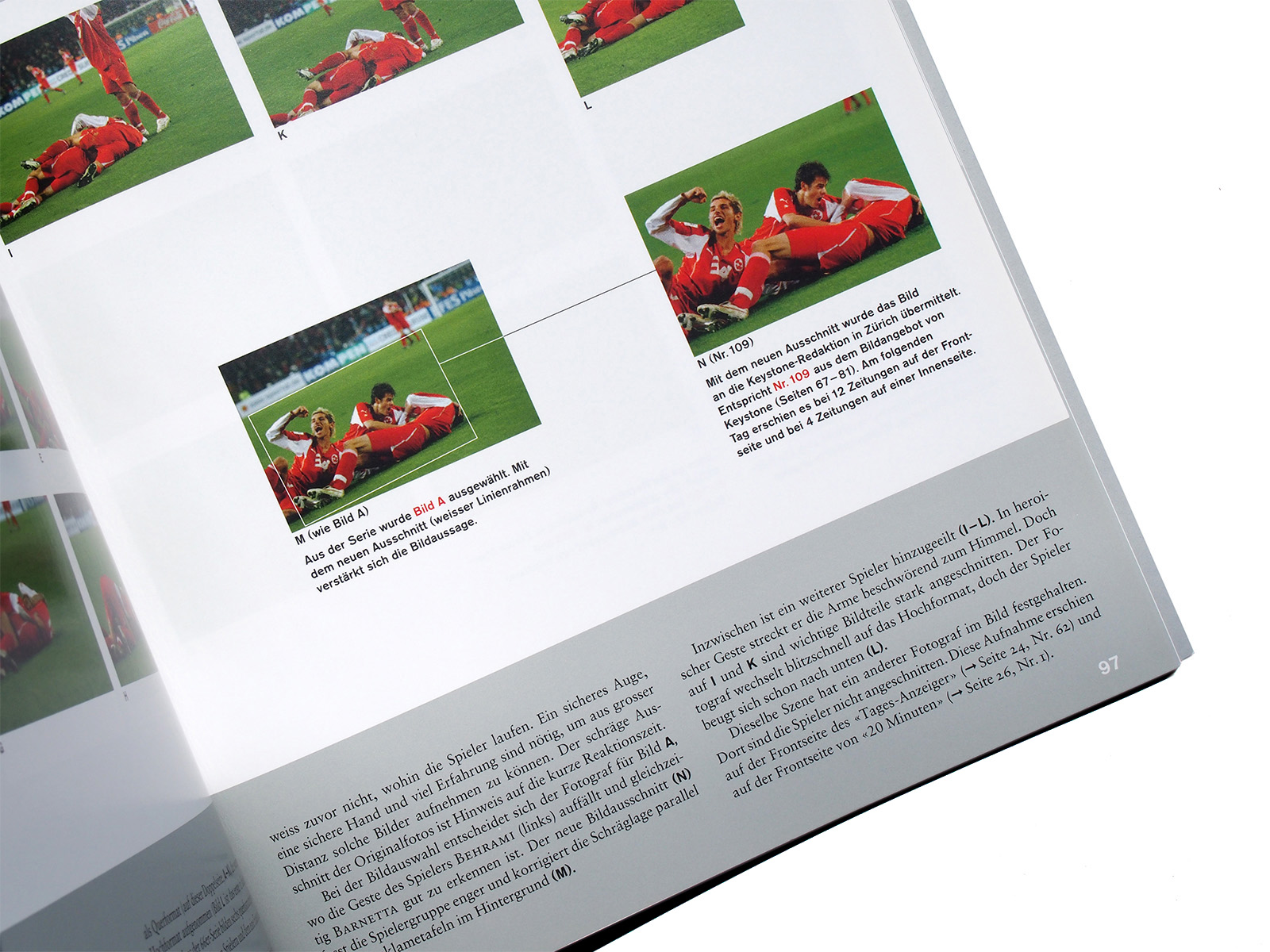
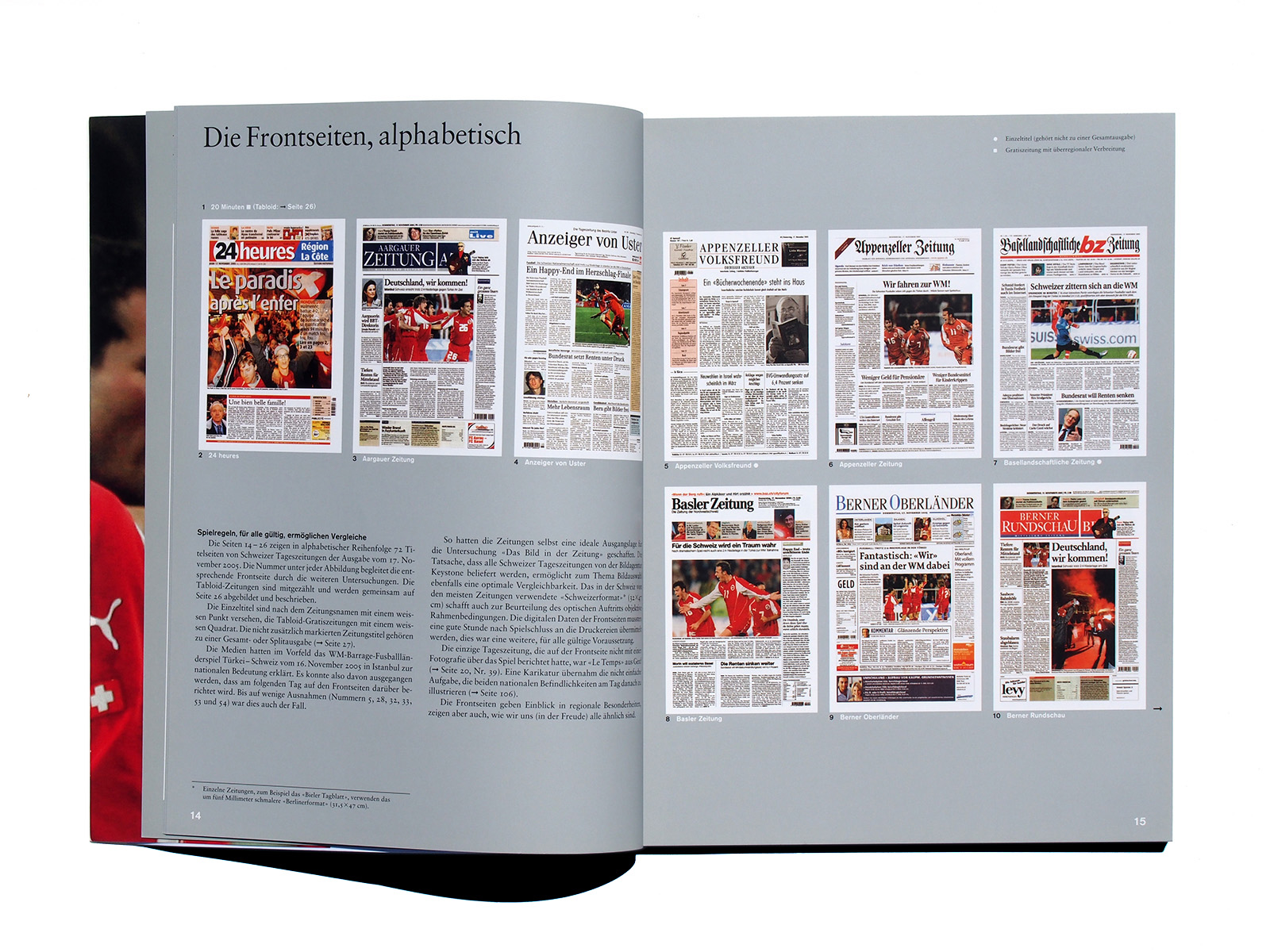
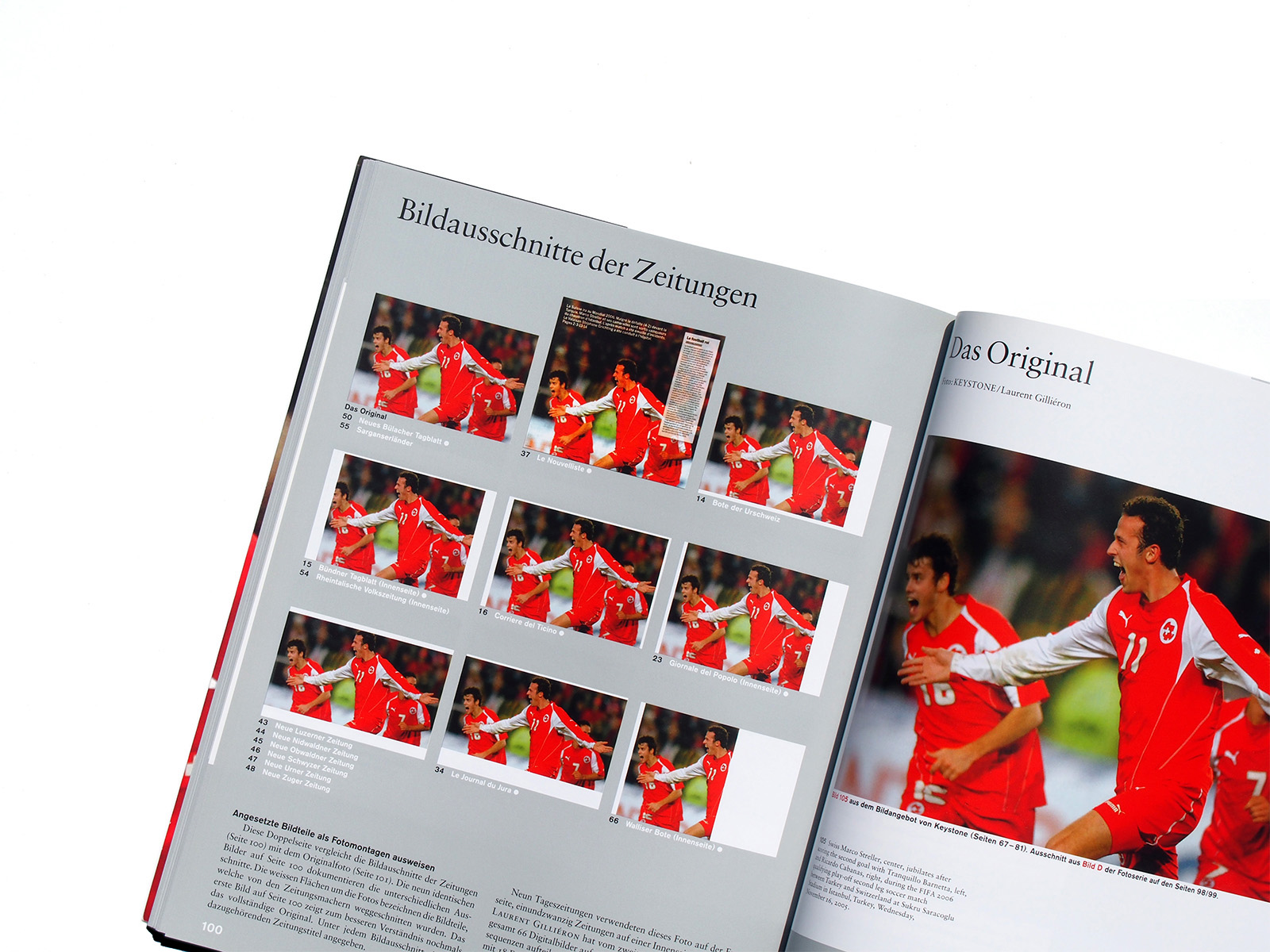
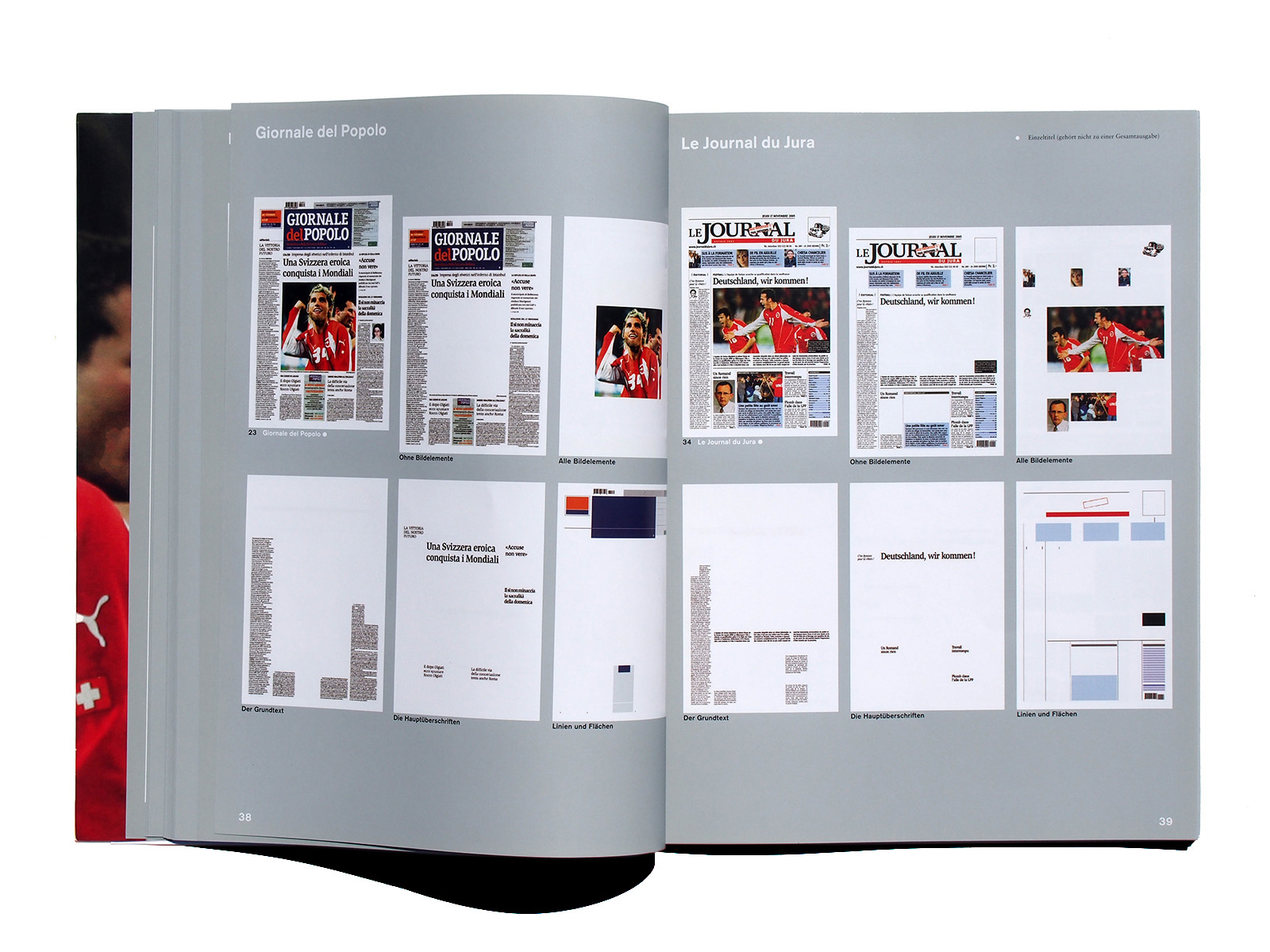
Written and designed by Romano Hänni, a Basel-based Swiss typographer and educator, this book critically examines how photographs and graphic elements published in newspapers and magazines come to be perceived as “facts” or “truth.” While photographs often appear to function as objective records, they are in reality shaped through editorial decisions such as selection, cropping, and layout—processes that actively construct meaning.
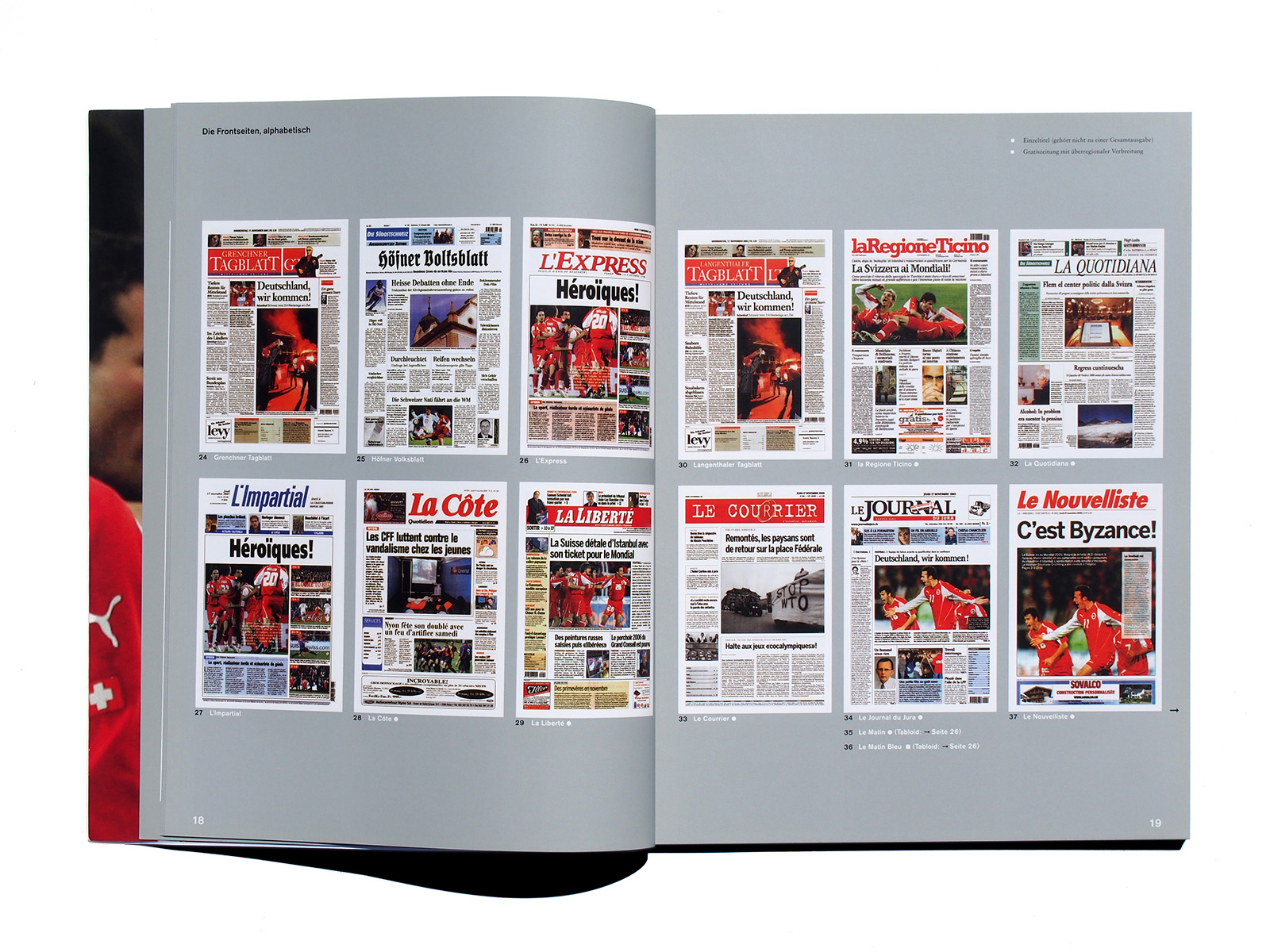
Through concrete examples of press photography and newspaper design, the book explores how people tend to think and remember in terms of still images rather than text. These images operate directly on memory and emotion, often with greater impact than written language, and can therefore fix social and political meanings in powerful ways.
This publication was not only featured on the cover of TM SGM RSI 03/2006, but was also the subject of an in-depth feature within the issue.
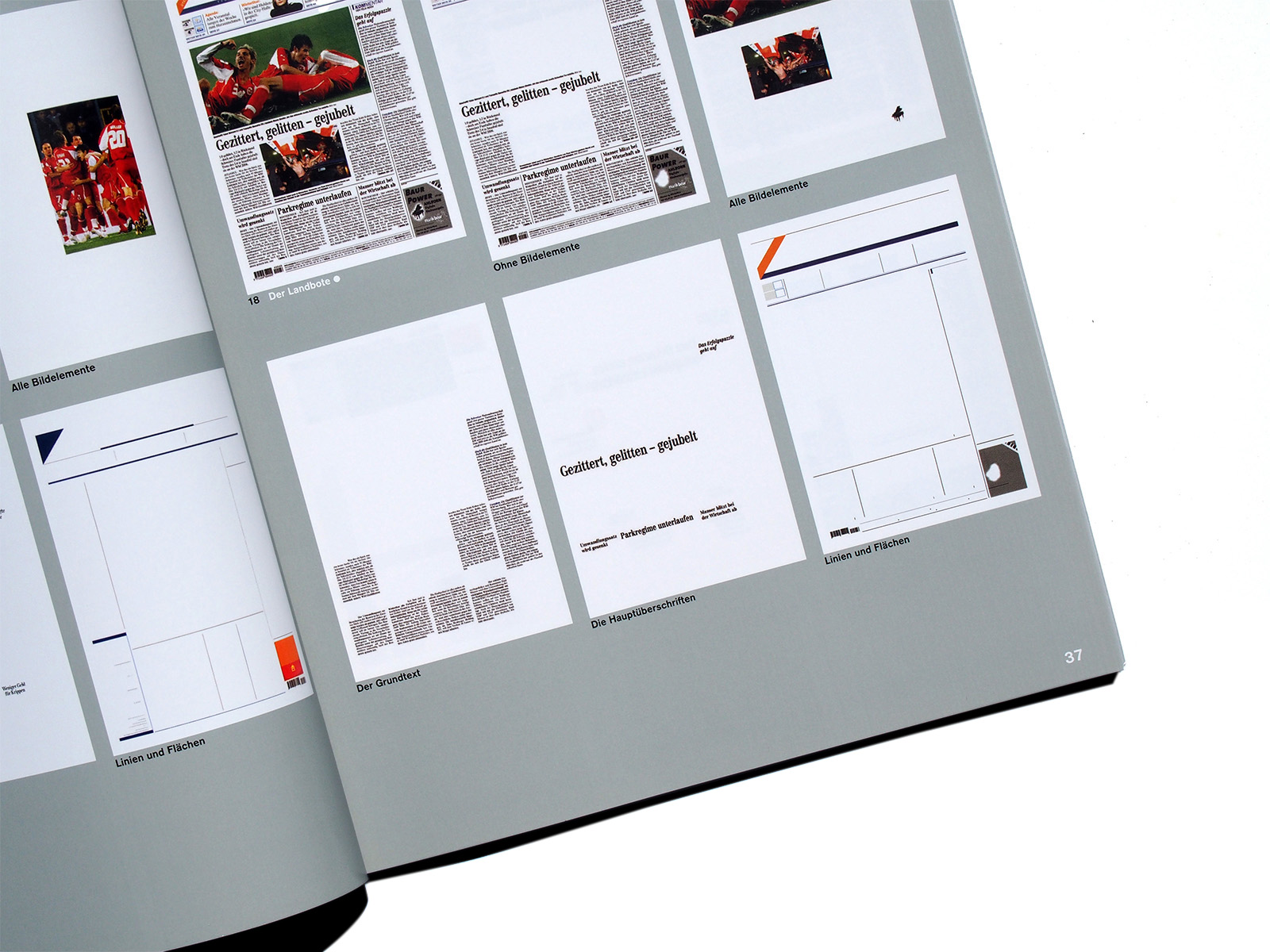
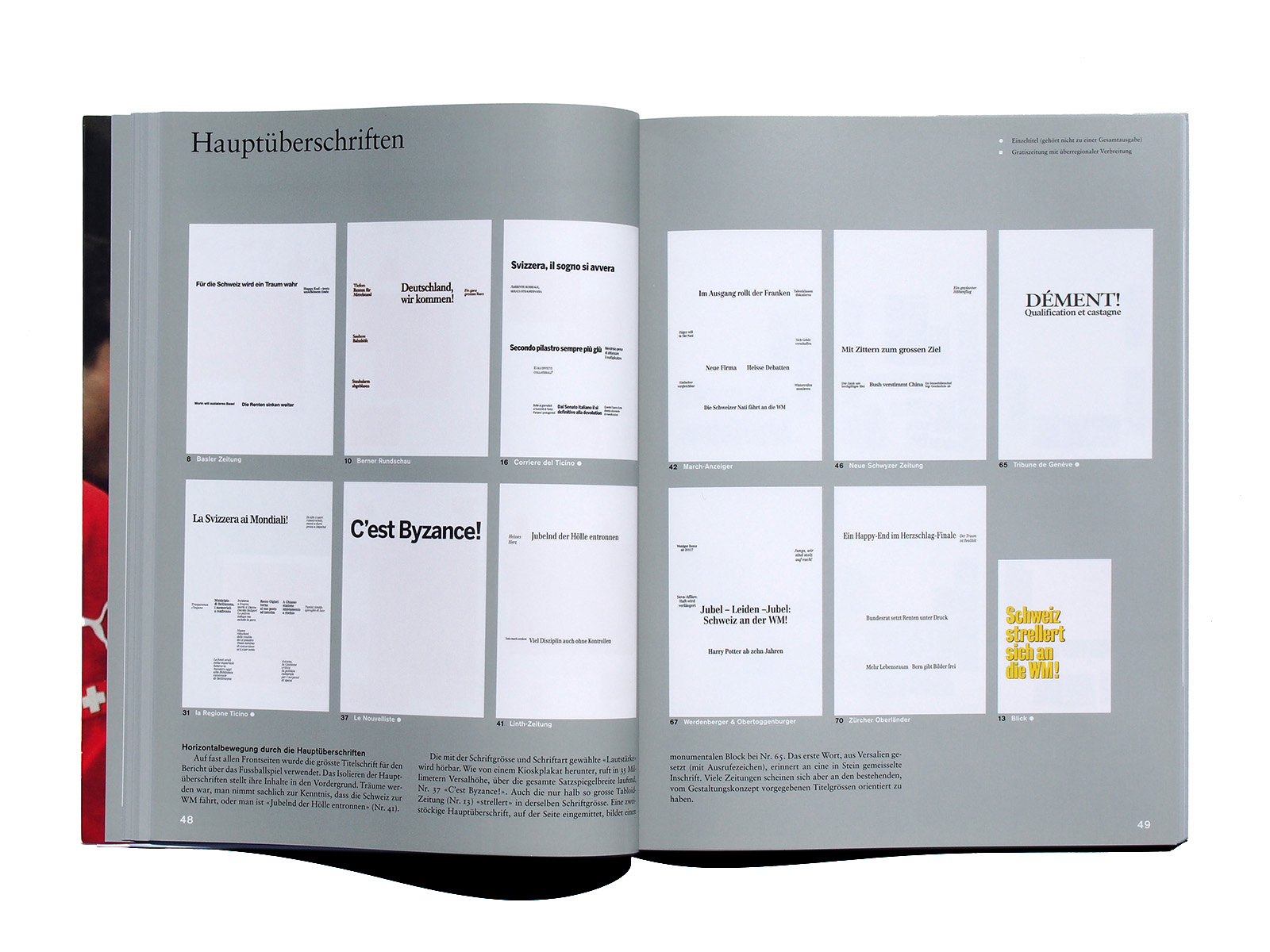
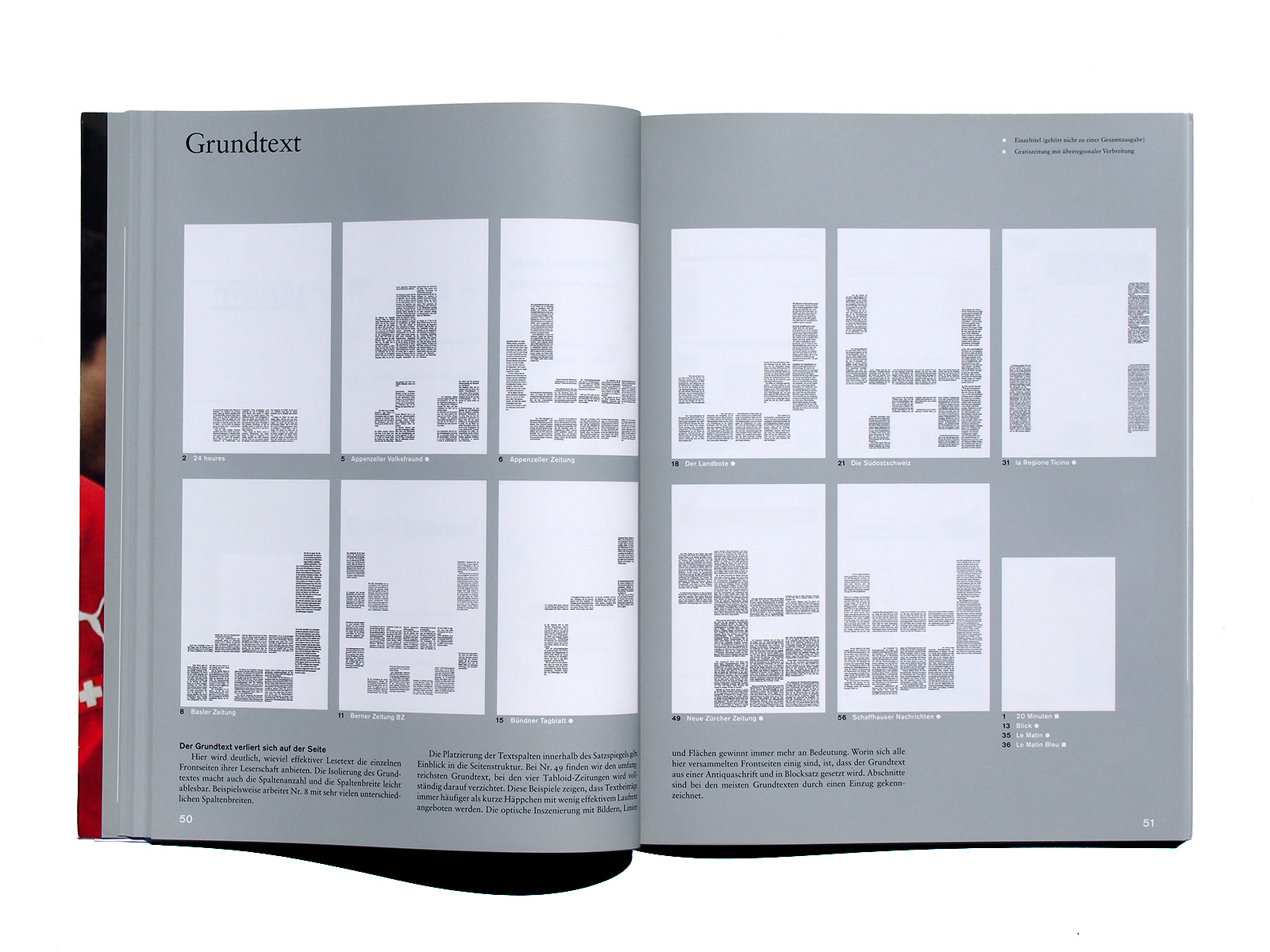
The discussion extends beyond photography to address the ethical responsibility of editors and designers. Layout, typography, and visual hierarchy are treated not as neutral tools, but as mechanisms that frame interpretation and guide perception.
More than a book about images, this is a fundamental reflection on editing and design as systems of meaning production. It is an essential reference for anyone engaged in graphic design, typography, publishing, or visual culture, inviting readers to reconsider how images are seen, arranged, and understood.
スイス・バーゼルを拠点とするタイポグラファーであり教育者でもある Romano Hänni によって執筆・デザインされた本書は、新聞や雑誌に掲載される写真やグラフィックが、いかにして「事実」や「真実」として受け取られていくのかを批評的に考察しています。写真は一見すると客観的な記録のように機能しますが、実際には選択、トリミング、レイアウトといった編集上の判断によって形づくられたものであり、そのプロセス自体が意味を構築しています。
本書では、報道写真や新聞デザインの具体例を通して、人間がテキストよりも静止画像によって思考し、記憶する傾向があることを明らかにします。こうしたイメージは、文章よりも強く記憶や感情に作用し、社会的・政治的な意味を強力に固定してしまう可能性を持っています。
本書は TM SGM RSI 03/2006 において、カバーに採用されただけでなく、誌面内でも特集として詳しく取り上げられました。
議論は写真表現にとどまらず、編集者やデザイナーが担う倫理的責任にも踏み込んでいます。レイアウトやタイポグラフィ、視覚的ヒエラルキーは中立的な手段ではなく、解釈を枠づけ、知覚を導くための装置として捉えられています。
単なるイメージ論の書ではなく、本書は編集とデザインを「意味を生成するシステム」として再考するための根本的な考察書です。グラフィックデザイン、タイポグラフィ、出版、視覚文化に関わるすべての人にとって、イメージがどのように見られ、配置され、理解されるのかを問い直すための重要な一冊と言えるでしょう。